Cracked glass looks small until the rain starts, the cabin fogs, or a pothole turns a chip into a lightning bolt across your line of sight. In Columbia, the pattern is familiar: a rock on I‑26, summer hail rolling across the Vista, or a cold snap after a humid day pushing a chip to the edge. Knowing what breaks, what it costs, and how to get it fixed fast separates a minor hassle from a weeklong headache. If you own a vehicle here, you will eventually deal with auto glass repair Columbia drivers face every season. The smartest approach blends a clear understanding of your model’s glass parts, the realities of supply in Richland and Lexington counties, and a plan to schedule the right technician, not just the next one.
What tends to break in Columbia, and why it matters
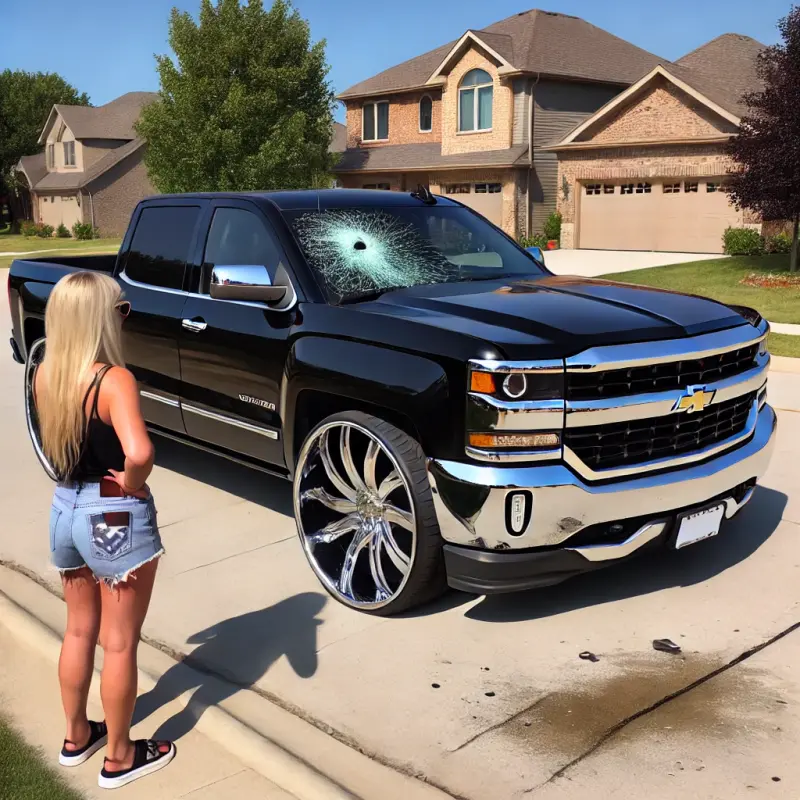
Windshields take most of the hits. Modern laminated windshields resist penetration, yet they are engineered to crack rather than shatter. That is good for safety, bad for procrastinators. I have seen a pea‑size chip on a Monday become a 14‑inch crack by Friday after a string of morning‑to‑afternoon temperature swings. Side windows are tempered and shatter into pebbles when breached, often from break‑ins at trailheads or a mower throwing debris in a driveway. Rear glass is similar tempered safety glass, but with windshield chip repair Columbia SC defroster grids and, often, integrated antenna wires. Trucks and SUVs also bring quarter glass and vent windows into the mix, which are notoriously model‑specific and sometimes hard to source.
The stakes are straightforward. Visibility is your primary safety system. A crack in the driver’s sweep of the wipers can justify a traffic stop, and it will fail inspection if it obscures sightlines. Beyond that, a windshield is part of a vehicle’s structural backbone. On many late‑model cars, it carries ADAS hardware, and that has implications for windshield calibration Columbia shops are doing every day. Skip the calibration, and lane keep or automatic emergency braking can become a liability.
The Columbia vehicle landscape and glass availability
The glass you need depends on what you drive, and what you drive is predictable around here. Columbia lots are full of Ford F‑150s, Chevy Silverados, Toyota Camrys and Corollas, Honda Civics and CR‑Vs, Toyota RAV4s, Jeep Wranglers, and a steady stream of Hyundai and Kia sedans and crossovers. On game weekends, expect a surge of Tahoe and Suburban runs. This matters because auto glass distributors in the Midlands stock heavily for these models. If you own a 2015‑2024 Camry, for example, both aftermarket and OEM windshields are typically on the shelf. If you drive a European wagon with rain‑light sensors and a head‑up display, plan for a day or two of lead time, sometimes more.
Model years also dictate which sensor packages live on the glass. A 2018 Civic can be outfitted with Honda Sensing, which is mounted to the windshield behind the rearview mirror. A 2021 F‑150 can carry a camera for lane centering, a rain sensor, an IR band for heat rejection, and a vinyl frit band that differs by trim. The best auto glass shop in Columbia will ask your VIN before quoting because the windshield part number often changes based on trim, options, and build plant. If a shop does not ask for a VIN or questions about sensors, that is a red flag.
What every windshield is made of, and where it fails
Windshields are laminated: two layers of glass bonded with a PVB interlayer. That plastic layer holds the glass together on impact, allows a chip to be repaired if it is small enough, and supports acoustic damping for quieter cabins. Chips come in four flavors at the counter: bullseye, star break, combination, and surface pit. If the damage is smaller than a quarter and not in the driver’s direct view, windshield chip repair Columbia techs can often save you a replacement. Expect 20 to 45 minutes for a resin repair, with success rates around 80 percent for fresh chips. If the damage leaks air under vacuum or has legs reaching the edge, replacement is safer.
Rear glass is tempered, not laminated. When it fails, it lets go all at once. I have replaced three rear windows in one summer after tire kickup on I‑77 and a heat‑soak shatter at a grocery store. Rear windshield replacement Columbia owners request often includes new molding, clips, and transfer of defroster connectors. Side glass is similar, and power window regulators occasionally get bent or jammed during the break. If you hear a crunch or the window tilts in the track after a break‑in, budget for a regulator and not just the glass.
Common Columbia models and the glass parts that trip people up
Ford F‑150, 2015‑2023: Several windshield variants exist, with and without acoustic interlayer, heated wiper park, rain sensor, and Ford Co‑Pilot360 camera. Quarter glass in the SuperCrew cab varies by trim and privacy tint. Aftermarket windshields are plentiful, yet ADAS calibration is not optional when a camera is present.
Toyota Camry, 2018‑2024: Many trims include a camera bracket for Toyota Safety Sense. Some windshields include noise‑reducing lamination and a solar band. If you choose aftermarket, confirm it accepts the OE bracket and maintains optical clarity through the camera zone. A slight distortion can throw off calibration.
Honda CR‑V, 2017‑2024: LaneWatch is gone in later years, replaced by a forward camera and radar suite. Windshield part numbers diverge based on rain sensor and heated area options. Rear quarter glass shape varies if you have factory privacy tint, though tint itself is a film and not the glass.
Jeep Wrangler, JK and JL: Flat glass on the windshield makes cutting and install simple, but chips multiply because the pane is upright. Soft‑top side glass is a different conversation entirely, but for hard tops, rear glass is often on hand and includes a robust defroster grid.
Chevy Silverado, 2019‑2024: GM’s camera brackets and HUD compatibility are sensitive. Spend a moment verifying HUD cutout when applicable, and make sure the calibration plan matches OEM procedures, dynamic or static. Fleet trucks often arrive without sensors, which can simplify the job and cost.
Hyundai/Kia crossovers: Plenty of aftermarket options exist. Many include bonded brackets for the front camera. The limiting factor is occasionally the plastic cowl clips and moldings, which get brittle in summer heat and should be replaced rather than re‑used.
The parts beyond the glass
Every proper car window replacement Columbia owners book includes more than the pane. Moldings and clips seal wind and water. Urethane adhesive must meet crash standards and match the correct safe‑drive‑away time, which is not a guess. Expect a sealant that cures within 30 to 90 minutes under normal humidity. Reusing moldings to save a few dollars invites whistling at highway speeds and water intrusion when the next thunderstorm hits Five Points.
For rear glass, you need to reconnect and test the defroster and any integrated antenna. If you see radio reception dive after a rear glass install, ask the shop to test continuity across the grid. Door glass requires a careful reset in the regulator tracks. On frameless doors, even a millimeter off will cause wind noise. On frameless Subaru coupes and some BMWs, the window dips slightly when you pull the handle. After replacement, that feature must be relearned through the switch.
CHIP REPAIR OR REPLACE: the rule of three
Most technicians work from three constraints: size, location, and contamination. If the chip is smaller than a quarter, at least an inch from the edge, and outside the driver’s primary view, windshield chip repair Columbia crews will try the resin first. Age matters. A fresh chip repairs better than a two‑week‑old one that has soaked up rainwater and dust. Heat helps cure resin, but too much heat expands the crack. I carry a harmless habit from a glass mentor: shade the glass during a summer repair, then bring gentle heat only after resin fills the break.
Some chips repair visibly, some do not. Expect a blemish, not invisibility. What you buy is structural strength and a stall against spreading, not perfection. If your insurance covers chip repairs at no deductible, take the win fast. The first repair prevents the second crack.
The calibration conversation most shops avoid until the invoice
If your vehicle carries a forward‑facing camera, radar, or rain‑light sensor on the glass, your windshield replacement Columbia job includes calibration. There are two broad modes. Dynamic calibration uses a scan tool and a specific driving routine on marked roads. Static calibration happens in a bay with level floors, targets set at exact distances, neutral lighting, and a careful tape measure habit. Automakers dictate which method applies. A 2021 RAV4 can need both.
If a mobile auto glass repair Columbia technician is coming to your driveway, ask them how they handle calibration. Some vans are equipped to run dynamic calibrations after the install, and then bring the car to a partner shop for static calibration if needed. Others rely entirely on a brick‑and‑mortar facility. There is nothing wrong with either model, as long as they disclose it and schedule both steps. Skipping calibration because “the camera will relearn” is not acceptable with modern systems.
Timing, weather, and same‑day realities
In our climate, summer storms move in fast. Urethane does not like running water until it skins over. Good techs carry tents or plan installations under carports. If a storm is imminent and your only parking is open, reschedule even if that delays a same day auto glass Columbia appointment. A poorly cured windshield can leak or, worse, lose bond strength during a crash. Next, watch your safe‑drive‑away time. If the label says 60 minutes at 73 degrees and 50 percent humidity, you cannot shave it to 20 minutes because a meeting is across town. That countdown starts when the glass is set, not when the tech pulls into your driveway.
When you need rear windshield replacement Columbia after a midnight break‑in, expect the fastest path to be aftermarket glass. OEM can take a day or two. For common trucks and sedans, many shops can deliver same‑day, especially if they control their inventory rather than depending on a single distributor. A seasoned dispatcher in Columbia knows which warehouse has a 2018 Camry windshield at 2 pm, and which one only claims to.
Insurance, deductibles, and how to avoid surprise bills
Insurance auto glass repair Columbia policies vary. Some carriers waive the deductible for rock chip repairs. Fewer waive it for full replacements unless you carry full glass coverage. If your deductible is 500 dollars and the windshield quote is 400, paying out of pocket makes sense. If you are in the 2017‑plus ADAS crowd, add calibration to the total. A realistic price range for a common laminated windshield with camera in the Midlands runs 350 to 650 for aftermarket glass, more for OEM, plus 150 to 300 for calibration depending on complexity. Luxury and HUD can push the total above 1,000.
Shops can bill insurance directly, but you are still the customer. Verify that the part number quoted matches your VIN options. If your carrier steers you to a network shop, you are not obligated to go there. Choose a shop that explains their glass source, their urethane brand and SDAT, and their calibration plan. The cheapest quote often hides a missing calibration or a reused molding that will buzz at 70 mph up I‑20.
Mobile versus shop service, and when to choose each
Mobile service is a gift when your schedule is tight. For a straightforward side window replacement or a windshield without sensors, a trained tech with a well‑equipped van can handle it in your driveway or office lot. Mobile auto glass repair Columbia has matured to the point where resin, primers, urethanes, and tools mirror the shop experience, minus the level floor and controlled lighting. Where mobile can stumble is static calibration or finicky HUD fitment. Some shops can set up portable targets, others cannot. If your vehicle requires a static procedure, book a shop visit or a two‑step plan: mobile install, then in‑shop calibration.
Shop work also shines when cowl clips are brittle, moldings are known trouble spots, or you suspect rust on the pinch weld from an old leak. A clean bay with proper lighting lets a tech prep, prime, and set the glass with fewer surprises. On older trucks, small rust pockets around the windshield frame are common. A shop can treat them before the new glass goes in, rather than sealing over a problem that will spread.
How to vet a glass shop without becoming a mechanic
Ask three questions. What adhesive will you use, and what is the safe‑drive‑away time for today’s conditions? Will my vehicle need ADAS calibration, and how will you perform it? Are you installing OEM, OEE, or aftermarket glass, and is the camera bracket compatible with my trim? The answers should be specific, not vague reassurance. If they mention Betaseal, Sika, or Dow urethanes and give a time window based on humidity and temperature, you are hearing a pro. If they bring up dynamic or static calibration unprompted, that is better.
Reputation still matters. The best auto glass shop in Columbia earns it with consistent work across fleets and repeat customers, not just ad budgets. Look for a track record with local dealerships and body shops. They do not tolerate comebacks. A shop that supports both retail and wholesale clients tends to know where the supply bottlenecks are and how to work around them.
The parts catalog in plain language
A windshield is more than a pane. You are buying several items during a proper replacement, and each has a purpose.
- Glass type: laminated for front, tempered for sides and rear. Some windshields include acoustic interlayers, solar absorbing layers, or IR coatings for heat rejection. Brackets and frit: camera mounts, rain sensor pads, and a black ceramic frit band around the edge for UV protection and adhesive bonding. The bracket must match your sensor exactly. Moldings and clips: exterior garnish that seals edges and cuts wind noise, plus plastic clips that hold it in place. Older clips break on removal, so plan on new ones. Urethane and primers: adhesive that bonds the glass to the vehicle body. Primer prepares both the glass and the pinch weld, ensuring adhesion and corrosion resistance. Electricals: defroster tabs on rear glass, antenna leads, and sometimes humidity or light sensors. These need careful transfer and functional testing.
A note on aftermarket versus OEM
Aftermarket glass quality has improved. Many OEE suppliers manufacture to the same specifications, and in some cases, the same factories produce both. What matters is optical quality in the camera’s field, the precision of the camera bracket, and the fit with moldings. On a daily driver Camry, high‑quality aftermarket with proper calibration is a smart spend. On a BMW with a HUD that projects onto a special layer in the windshield, OEM tends to avoid ghosting, even if it costs more. Let the use case drive the choice, not brand loyalty alone.
Regional quirks to respect
Columbia heat beats on dashboards. Parked cars cook sensors and soften old adhesives. A summer install requires attention to surface temps. I have seen technicians cool the glass to control cure rates so the urethane does not skin too fast on the edges and starve in the center. Pollen season also brings contamination risk. Any dust on the bonding surface is a future leak. A shop that wipes down the pinch weld twice and masks the interior before cutting knows what yellow dust can do.
Storm debris is another local factor. After a heavy blow, shops get swamped with rear window calls and door glass from break‑ins in parking lots without cameras. If your repair is not urgent, waiting 24 hours after a major storm rush can earn you calmer service and sometimes a better price, as distributors restock.
What to expect on service day
You will sign an authorization. The tech will inspect the existing glass, note scratches near the A‑pillars, and protect the dash and paint. They cut out the old windshield, prep the pinch weld, prime where needed, set new urethane in a continuous bead, and place the new glass with suction cups and a setting device. Camera brackets get a visual check, the mirror mount transfers, and any rain sensor gel pad gets replaced, not reused. After set, they will reinstall cowl panels, wiper arms, and trims, then clean the glass. If calibration is required, you will either drive at a prescribed speed on a marked route for dynamic procedures, or they will roll you into a bay for static targets. Before handing you the keys, a competent tech will explain your SDAT and tell you to avoid slamming doors for a day. The pressure spike can float the glass off the bead if the urethane is still green.
When a quick fix beats a full replacement
There is a narrow window where a chip repair is not just cheaper, it is smarter. If you catch a chip early, especially in cool weather, it stabilizes the glass and preserves your factory seal. The original bead from the automaker is robot‑laid, often more uniform than a field replacement. When I can save a windshield without compromising safety or visibility, I do it. That restraint pays off in customer trust, because you will come back when the next rock wins.
A short checklist for owners in the Midlands
- Confirm whether your vehicle has a forward camera or rain sensor, and share the VIN when you call for a quote. Ask about adhesive brand and safe‑drive‑away time, especially if you plan to drive soon after. If calibration is required, get the method and timing in writing and plan your schedule accordingly. Request new moldings and clips when appropriate. Reused trim is the most common source of wind noise. For insurance, compare out‑of‑pocket versus deductible. Factor calibration into the total before deciding.
Where the time goes, and why it is worth it
People get impatient with glass because it seems simple. Slice, glue, set. The craft sits in the measuring, the cleanliness, and the calibration. Thirty extra minutes to level a target or prep a rusty pinch weld is not fluff. It is the difference between a silent cabin in a rainstorm and a damp firewall two weeks later. It is also the difference between an ADAS camera that reads lane markings correctly on I‑126 and one that jitters your steering wheel at random.
When you line up service in Columbia, pick speed where it is safe and precision where it counts. For a shattered rear door window after a break‑in, same‑day auto glass Columbia crews can get you sealed up, vacuum your door cavity, and replace a bent regulator if needed. For a sensor‑packed windshield, give the shop the daylight it needs to calibrate. The payoff is simple: clear sightlines, quiet commutes, electronics that behave, and a car that feels whole again.
Final thoughts from the field
I have handled enough glass across Richland and Lexington to know the rhythm. Monday is chip repair from weekend road trips. Tuesday through Thursday fills with replacements and a line of calibrations. Friday is a mix of last‑minute cracks and weather surprises. If you are reading this because a rock jumped at your windshield on I‑20, do not overthink it. Call a reputable shop, share your VIN, ask smart questions about parts and calibration, and guard your schedule for the safe‑drive window. Columbia is full of capable techs and well‑stocked distributors. With the right combination of parts and process, your car will be back to quiet, clear, and safe faster than you expect.